
Debunking common myths about gambling what you need to know
Understanding the Odds
One prevalent myth about gambling is that certain games offer better odds than others, leading players to believe they can consistently win by choosing specific games. While it’s true that games like poker or blackjack involve skill and strategy, the odds are mathematically determined. For example, slot machines are often seen as purely luck-based, but they have return-to-player (RTP) percentages that can vary widely. Understanding these percentages helps players make informed decisions rather than relying on misconceptions. Players seeking a fun twist on traditional gaming might enjoy Tappy Bird, a new arcade-style game that combines skill and chance for exciting payouts.

Another common belief is that past outcomes influence future results, commonly referred to as the «gambler’s fallacy.» Many players assume that if a slot machine hasn’t paid out in a while, it’s «due» for a win. In reality, each spin is independent, and the machine’s random number generator ensures that past results have no impact on future ones. This misunderstanding can lead to poor betting strategies and increased losses, highlighting the importance of understanding odds rather than relying on myths.
Lastly, players often think they can «beat the system» by using betting systems or strategies that promise guaranteed winnings. Systems like the Martingale or Fibonacci are popular among gamblers, but they do not change the underlying odds of the game. While they can lead to short-term wins, the risk of significant losses remains. Knowledge about how games work and the true nature of odds can empower players to approach gambling responsibly.
Gambling Is Not Just for the Addicted
A significant myth surrounding gambling is that it is solely an activity for those with addiction issues. While problem gambling is a serious concern, most individuals engage in gambling as a form of entertainment. Just like watching a movie or dining out, gambling can provide thrills and excitement when done responsibly. Recognizing this allows people to enjoy games without the stigma attached to gambling as a vice.
Moreover, it’s essential to understand that gambling can be a social activity. Many people partake in games with friends or at events, fostering camaraderie and shared experiences. This social aspect often gets overshadowed by the negative portrayal of gambling in media, leading to a skewed perception. Encouraging a healthy view of gambling can pave the way for enjoyable experiences that do not necessarily lead to addiction.
Additionally, educational resources and support systems exist to help those who may develop gambling problems. Numerous organizations offer tools and strategies for maintaining a balanced approach to gambling. By understanding that not everyone who gambles is at risk, society can foster a more balanced and realistic view of this popular pastime.
The Role of Luck vs. Skill
Another myth prevalent in gambling culture is the belief that luck is the sole determining factor in success. While luck plays a significant role, especially in games of chance like roulette or slots, skill and strategy are crucial in skill-based games like poker. Players who invest time in understanding the game mechanics, reading opponents, and developing strategies can gain a competitive edge. This duality highlights the importance of both elements in gambling.
Many casual gamblers overlook the impact of skill. For example, successful poker players often dedicate significant time to studying their opponents and learning game theory. They know that while luck affects individual hands, consistent success comes from making informed decisions based on probability and psychology. By debunking the myth that luck is the only factor, aspiring players can appreciate the depth and complexity of skill-based gambling.
Furthermore, attributing success or failure solely to luck can lead players to disengage from learning. Understanding the balance between skill and luck can encourage gamblers to refine their strategies and improve their chances. Ultimately, this mindset fosters a more engaging and responsible approach to gambling, enabling players to enjoy the process while also striving for better results.
The Impact of Gambling in Popular Media
Gambling is often glamorized in movies and television shows, leading to misconceptions about the realities of the activity. Films typically portray extravagant wins and highlight the lifestyle of high-stakes gamblers, creating unrealistic expectations. Viewers may come away with the notion that gambling is an easy way to achieve wealth, failing to recognize the risks and the reality of losses involved. This portrayal can desensitize audiences to the potential dangers of gambling.
In contrast, documentaries and educational programs that aim to provide a more accurate representation of gambling often focus on the psychological impacts and societal implications of gambling. However, these narratives do not receive the same level of attention as glamorized portrayals. By understanding the dichotomy between entertainment and reality, individuals can develop a more nuanced view of gambling that is informed by facts rather than fiction.
Additionally, popular media can play a constructive role in promoting responsible gambling. By incorporating messages about moderation and the importance of setting limits, filmmakers can contribute positively to public perceptions. A balanced portrayal that acknowledges both the excitement and the risks of gambling can foster a more informed audience, paving the way for responsible participation in gambling activities.
Finding Responsible Gambling Resources
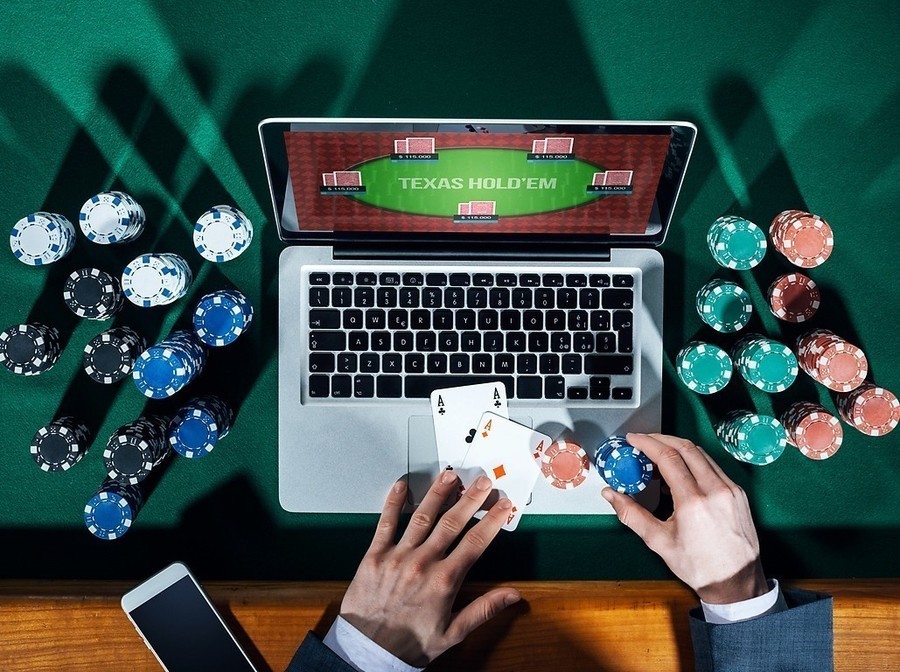
As the online gambling landscape expands, it’s essential for players to know where to find reliable resources for responsible gambling. Many reputable casinos and platforms provide information on setting limits and recognizing signs of problem gambling. Websites often feature tools that allow players to set budgets, implement self-exclusion options, and access support if needed. Such features empower players to enjoy their experience while staying in control.
Moreover, organizations dedicated to responsible gambling often offer educational materials and support services. Resources such as hotlines, counseling, and community programs are vital for those seeking help or wanting to ensure they gamble responsibly. Players should be encouraged to seek out and utilize these resources, understanding that being informed is a key step in maintaining healthy gambling habits.
Ultimately, the responsibility for gambling lies not just with the individual but also with the industry as a whole. Reputable casinos and platforms are increasingly recognizing their role in promoting responsible gambling. By fostering a culture that prioritizes player safety and education, the gambling community can work towards minimizing risks and supporting those who may face challenges.